Entry 052 · Spring flood
River flat, third crossing
The duffel went under at the third crossing. Contents dry, straps swollen tight. We eased the buckle throat two millimeters for the run.
LEDGER PAGE 052 · LOT 000
The proving ground
Every design decision here traces to a logged night outside. We keep a testing ledger the way other companies keep a brand book: dates, places, failures, fixes.
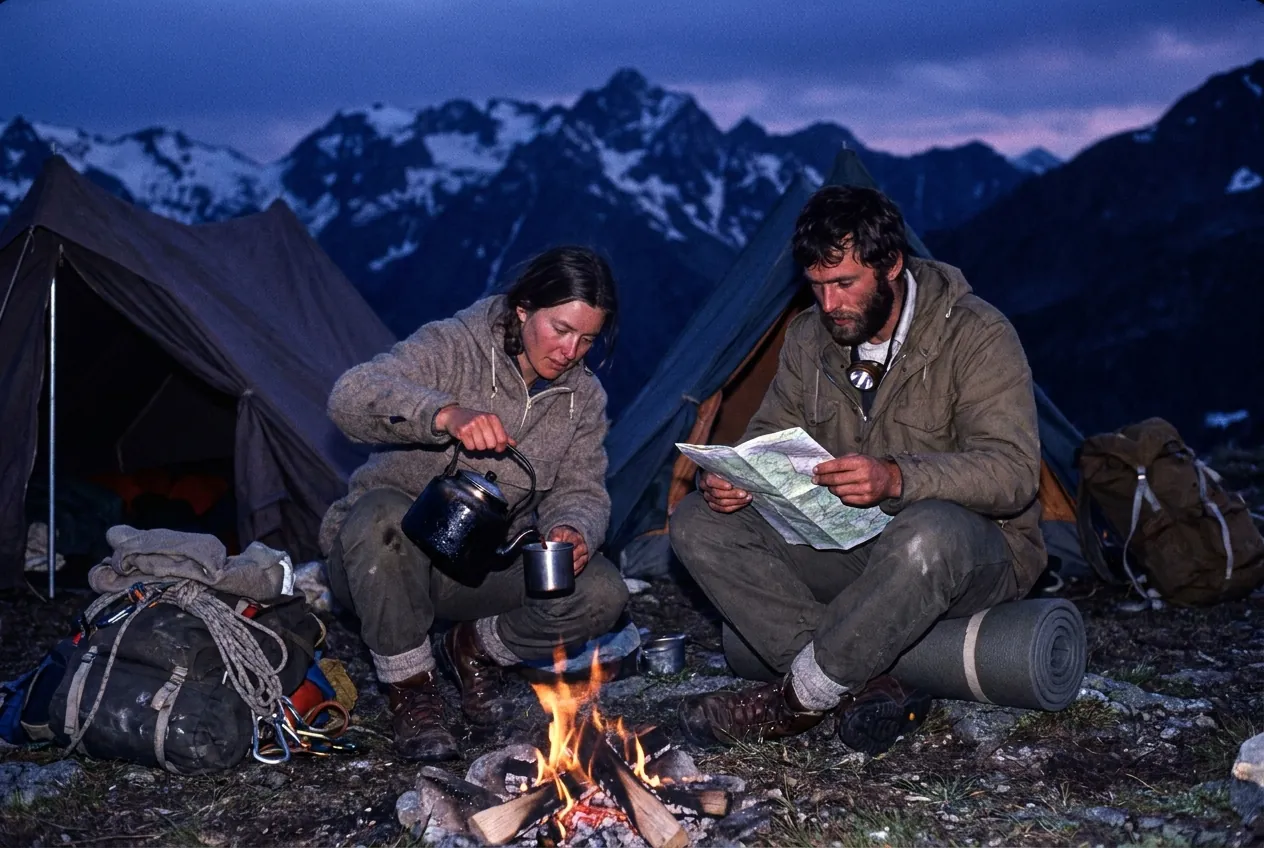 ENTRY 038
Every prototype is cut and sewn in the workshop, full-weight materials from the first sample. Nothing is tested in a lighter cloth than it ships in.
A season minimum in real weather. Each trip gets a ledger entry, and every failure gets a name, a date and a fix before the design moves.
When a design stops failing we freeze it, cut a run, and stamp every piece with its lot. The lot number ties your piece back to its ledger.
Entry 052 · Spring flood
The duffel went under at the third crossing. Contents dry, straps swollen tight. We eased the buckle throat two millimeters for the run.
LEDGER PAGE 052 · LOT 000
The count so far
1,142
Nights under test
312
Repairs, not replacements
10
Year guarantee, repair first
Sample ledger figures shown. Counts are logged at the workshop and updated each season.
No mystery fabrics and no marketing names. What the cloth is, what it weighs and where it gives out. Sample figures shown here; every catalog sheet carries its own.
Ten to eighteen ounce, wax-finished at the mill, re-waxable at home with a tin and a warm afternoon. It scars instead of tearing.
Blanket cloth left dense off the loom, warm when damp, quiet in a hide, heavy on the shoulders in the best way.
Rolled-rim enamelware that chips honestly and never quits, with brass hardware that gets better looking every year it's handled.
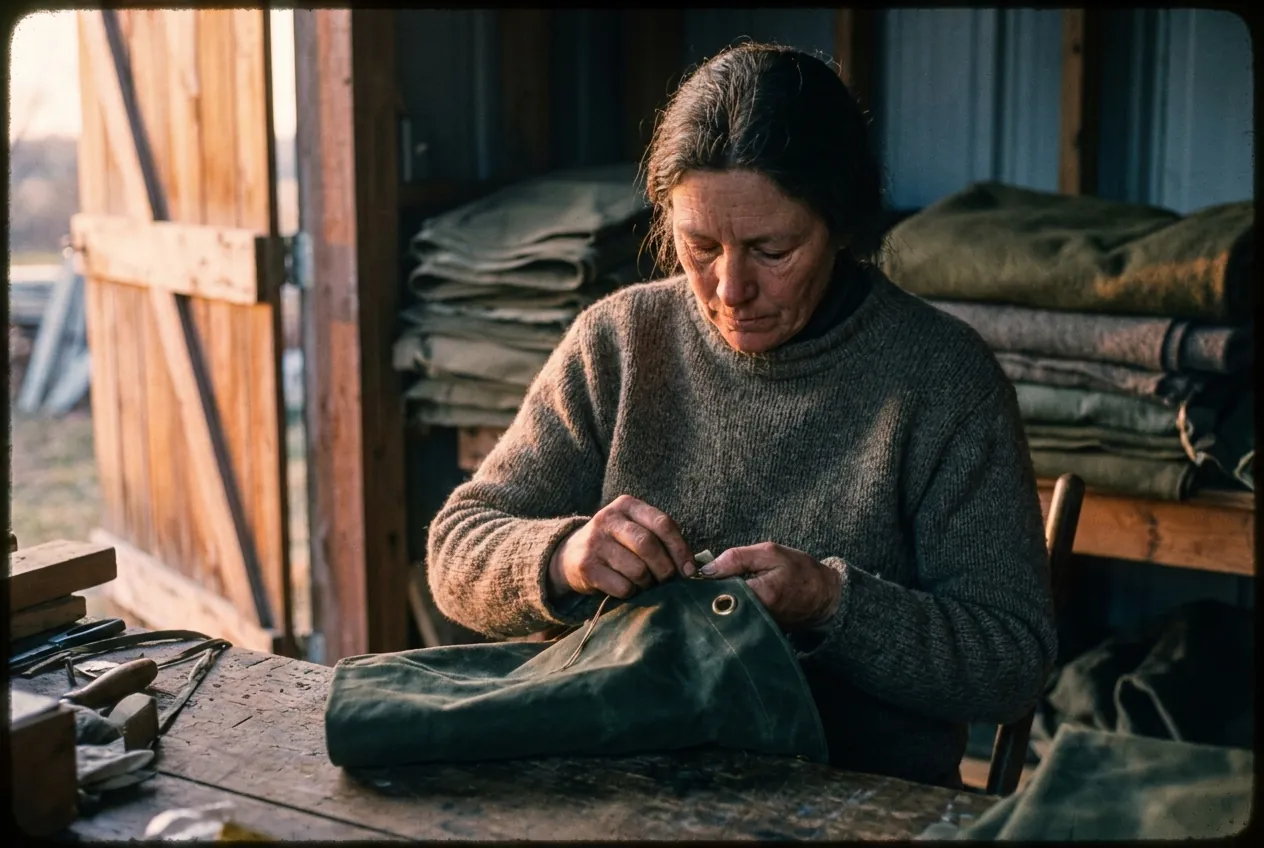
The workshop
Kettle & Ridge is June Calloway and a crew of four at the end of a gravel road. June sewed the first swag in 2019 after a borrowed one soaked through at two in the morning. She made the second one angrier.
Ten years on materials and workmanship, repair first. If we can't fix it we replace it, and if we can't replace it we buy it back. Wear from honest use is yours to keep and be proud of.
Once a year or when water stops beading. Warm the wax tin in hot water, work it in with a rag, cure it in the sun for an afternoon.
Almost never. Air it over a branch, spot-clean with cold water, and accept that campfire smell is a feature of the cloth.
Where enamel chips, dry the spot after use and oil it lightly. A chipped kettle boils exactly as well and looks twice as good.
The ledger says what survived. The counter says how it feels in your hands. Your nearest stockist has both stories.