Systems & installed prices
Pick the system. The price is on the tag.
Four ways to condition a home — each with its installed-from price, its monthly figure, and who it actually suits. Written by the people who install them, not by a marketing desk.
Ducted reverse-cycle
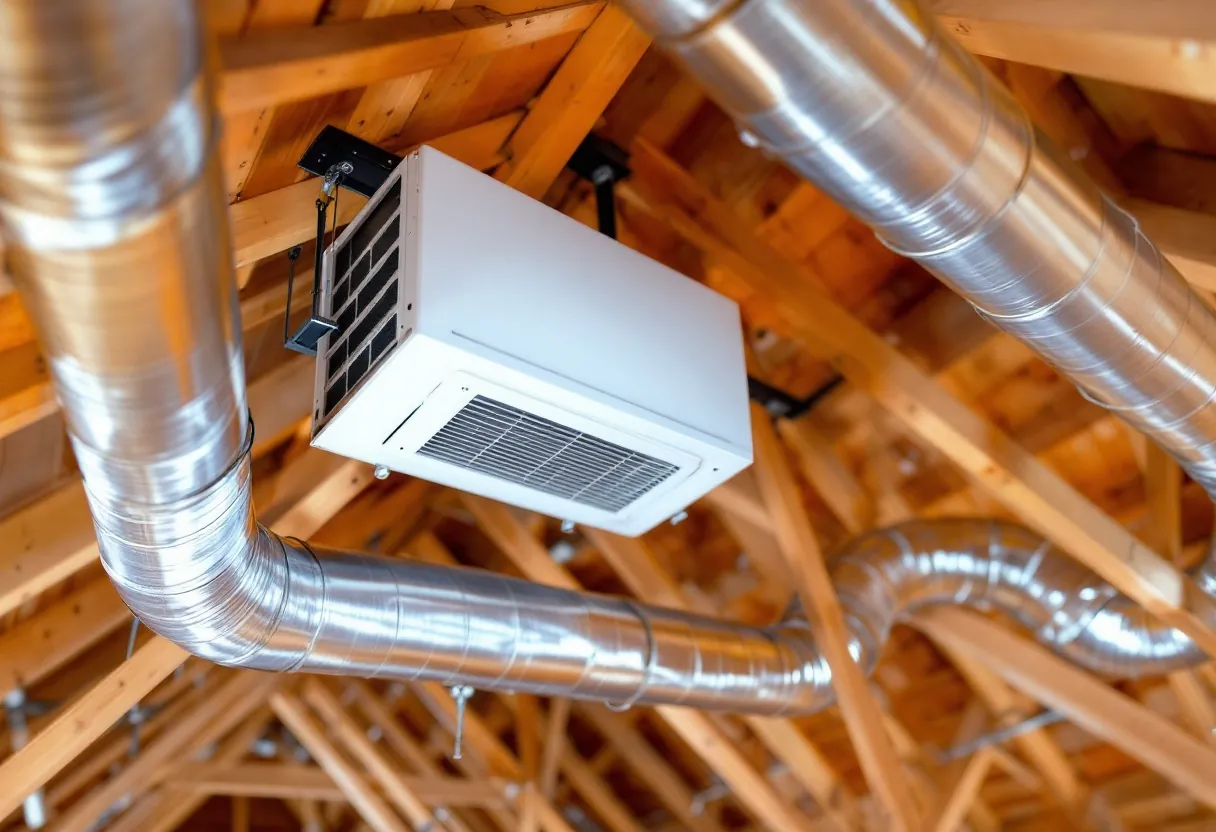
One outdoor unit, a quiet fan coil in the roof, and conditioned air to every room through insulated ducts. Zoning keeps bedrooms and living areas on their own schedules, so you never pay to cool a hallway. The right answer for whole homes with roof access.
Suits: whole homes, new builds, renovations with roof space
Wall-mounted splits
The honest workhorse. One indoor head, one outdoor unit, one room transformed. We mount it where the airflow math says, not where the cable run is shortest — and we commission it like it's a whole-home system, because to that room it is.
Suits: bedrooms, home offices, additions, apartments

Multi-zone systems
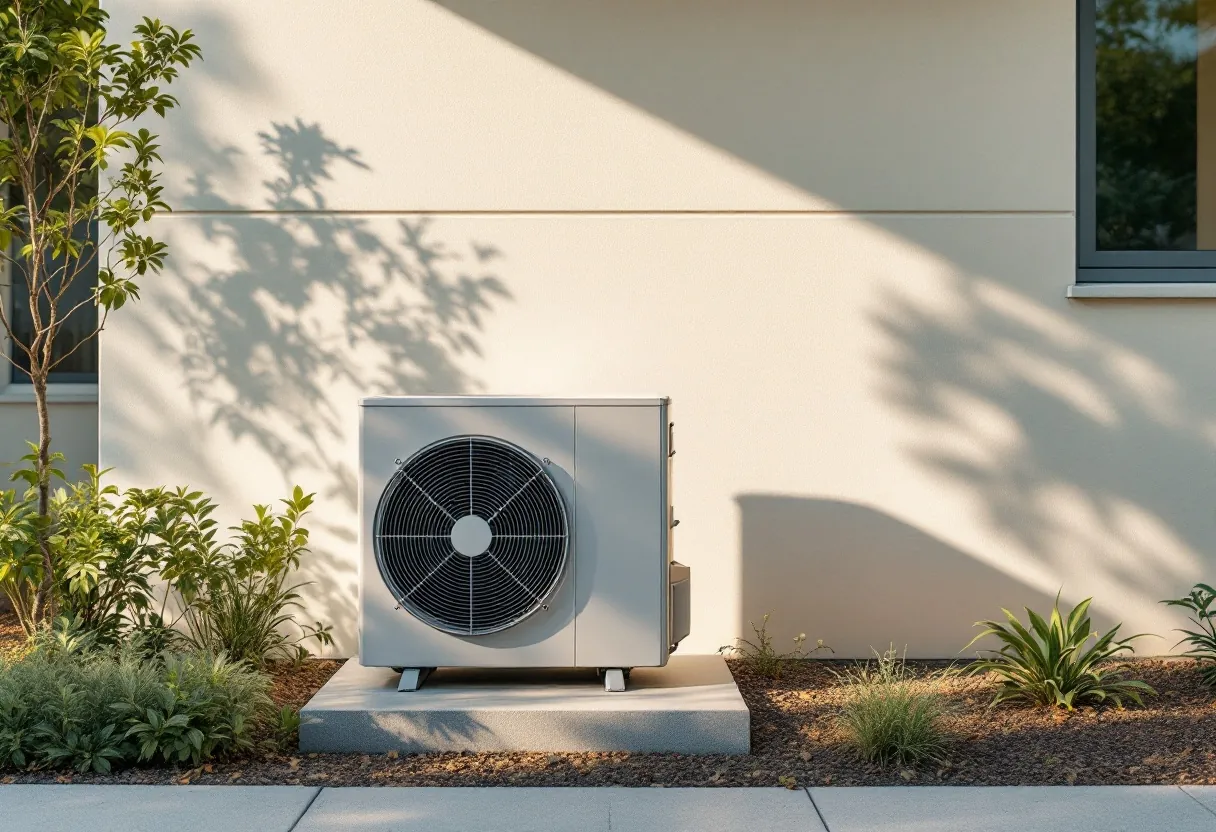
Two to five indoor heads off a single outdoor unit — the answer when the yard has room for one condenser, not four. Each room keeps its own remote and its own setpoint; the outdoor unit modulates quietly to feed them all.
Suits: townhouses, apartments, homes without roof space
Air quality & filtration
The part of comfort nobody sees. Fresh-air ventilation, filtration that actually captures what the brochure claims, and humidity brought into range — measured before and after, with the readings in your logbook.
Suits: allergy households, tight new builds, damp rooms

Rebates, checked for you
Heat-pump systems qualify for government energy rebates in most areas — often four figures off the installed price. Eligibility depends on your current system, your address and the model installed, so we run the check during the assessment and print the result into your quote.
Per-month, worked line by line
An $8,900 ducted system over 60 months lands near $148 a month — before rebates. Government energy schemes can take four figures off qualifying heat-pump systems, and we run the eligibility check during your assessment, with the math shown line by line.
Fair questions
Why is your from-price higher than the online quote I found?
Our installed-from prices include the electrical work, the commissioning hour and the logbook — the line items that turn up later on cheaper quotes. Put both quotes side by side, whole-of-job, and compare again.
How fast can you actually install?
Splits usually land inside a week in shoulder season. Ducted systems book two to four weeks out — six or more once the first heatwave hits, which is exactly why the assessment is worth booking before the weather turns.
Will you just tell me the biggest system is the best one?
No — oversizing is the most common and most expensive mistake in this trade. The load calculation decides the size, you get the sheet, and the Right-Size Promise puts our money behind it.
What happens if something fails after install?
Call the warranty line, not the sales line. Manufacturer warranties run five to ten years by line; our workmanship warranty sits on top, and the logbook means whoever answers already knows your system.
Stop comparing tabs. Compare quotes.
The assessment costs nothing, takes 45 minutes, and ends with a fixed number stapled to the sizing math. Bring our quote to anyone.