Websites for Food and Hospitality.
Somebody is deciding where to eat tonight, on a phone, in about twenty seconds. Your site needs to show the room, the menu and the way to book before their attention runs out.
What the site has to do
- Menu as a page, never a PDF A PDF menu is a pinch-and-zoom fight on a phone, and search engines cannot read it.
- Show the room People are choosing an evening, not a dish. The photography is the argument.
- Hours and booking in the first screen The two things every visitor came for. Anything above them is in the way.
- Keep it fast on bad venue wifi No heavy builder stack, no carousel that takes four seconds to decide what it is.
Does a restaurant need its own website if it's already on Google Maps and delivery apps?
Yes, because Maps and delivery apps show a listing, not the room, and a delivery app takes a cut of every order that comes through it. A website is the one place that shows the actual dining experience and keeps a direct booking, or a pickup order, entirely yours.
A Maps listing also answers to an algorithm you do not control. Meanwhile, a delivery app puts your dishes next to a dozen competitors on the same screen, judged mostly on a thumbnail and a star rating. Your own site is the only place where the story is yours to tell.
None of this means leaving those platforms, most places need to be found on both. It means the booking or the pickup order has a home that is not paying commission on it, something a finished restaurant template already has built in from the start.
What photos actually sell a restaurant, out of everything you could put on the page?
A restaurant page sells mostly on the room, so someone can picture sitting in it. A few dishes, shot the way they actually arrive at the table, matter almost as much. So does the door from the street, so a stranger walking past at night actually recognises it.
People are choosing an evening out more than they are reading a menu, so a photo of a full table with the lighting on at night does more of the selling than a clean studio shot of one plate on white. It answers the one real question on their mind, which is what it actually feels like to be sitting there.
A gallery that scrolls slowly on a phone loses the visitor before the third photo. A few chosen well do more than a dozen chosen quickly, every time.
Should a restaurant's website show prices, and how often do they need updating?
Yes, prices belong on the page, because a menu without them reads as evasive rather than upmarket, and most people decide where to eat before they decide what to order. Updating them is a matter of editing one line in the menu file, not rebuilding a page.
Dietary and allergen tags next to each dish do a similar job to the price: they answer a question before it becomes a phone call or an awkward conversation at the table. Leaving that information off the page just moves the same question onto the busiest night of the week, when nobody behind the pass has time to answer it properly.
A seasonal change, a dish dropped, a price moved, is normal and expected. What matters is that the page reflects it the same week it happens on the floor, not months later.
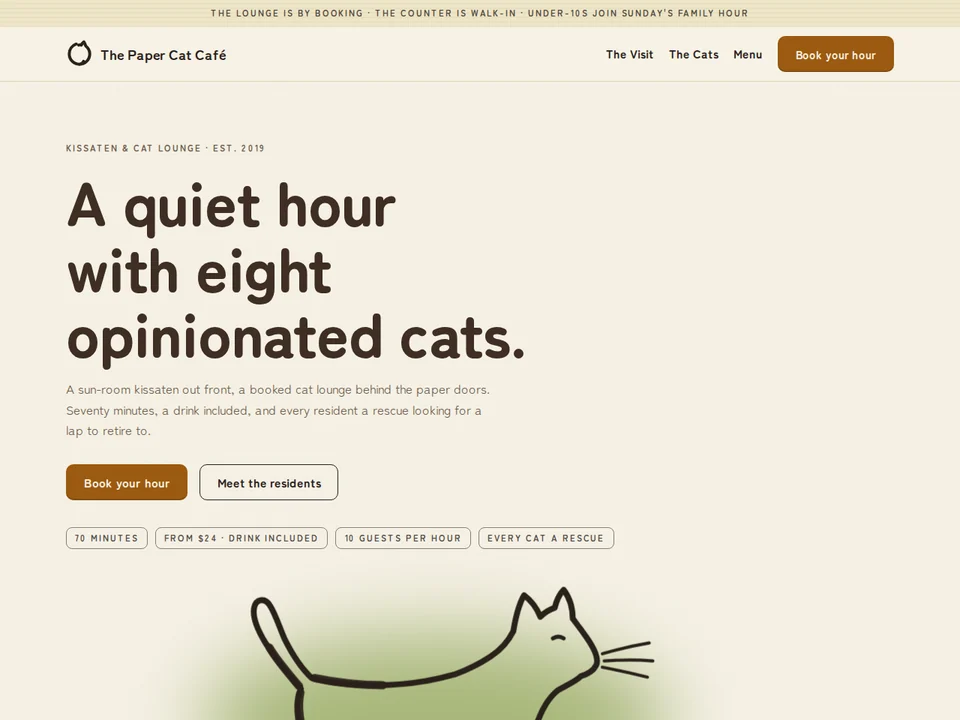
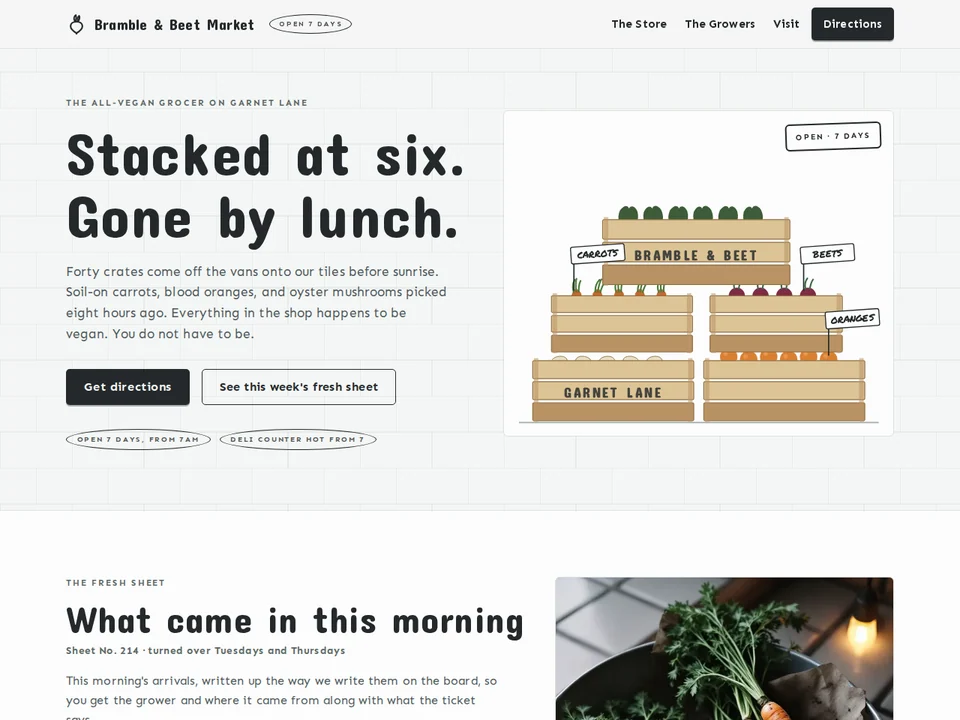
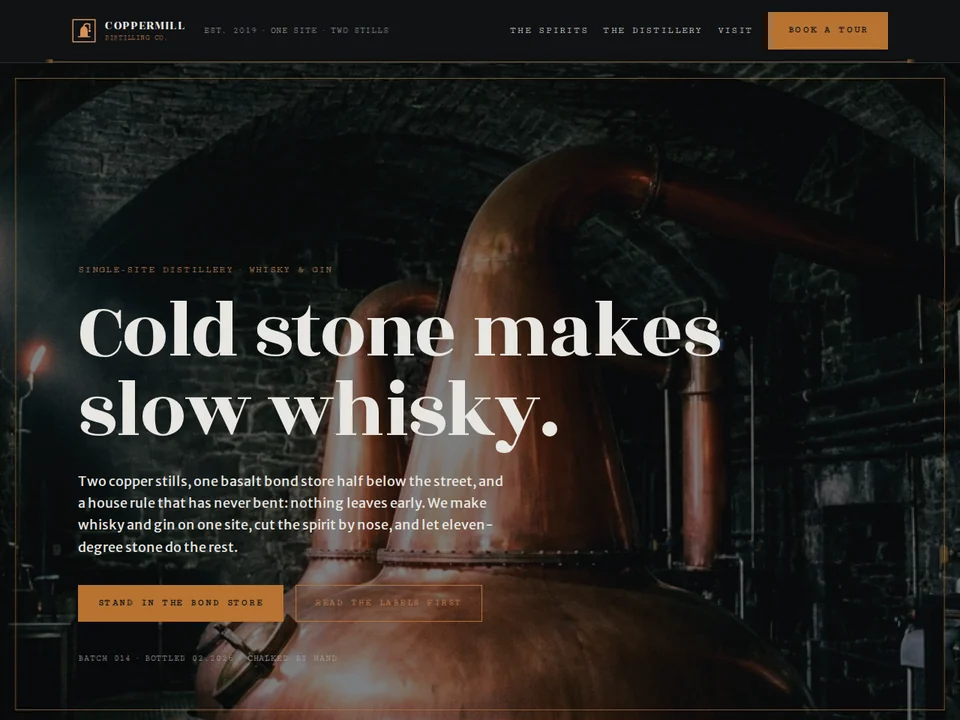
Find that Perfect Template.
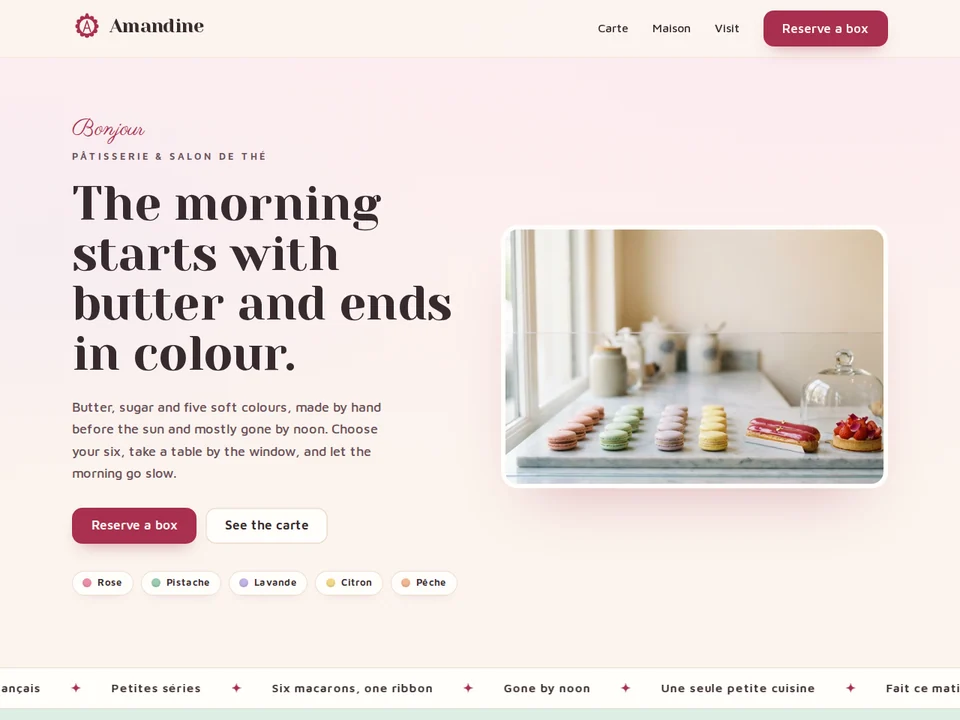
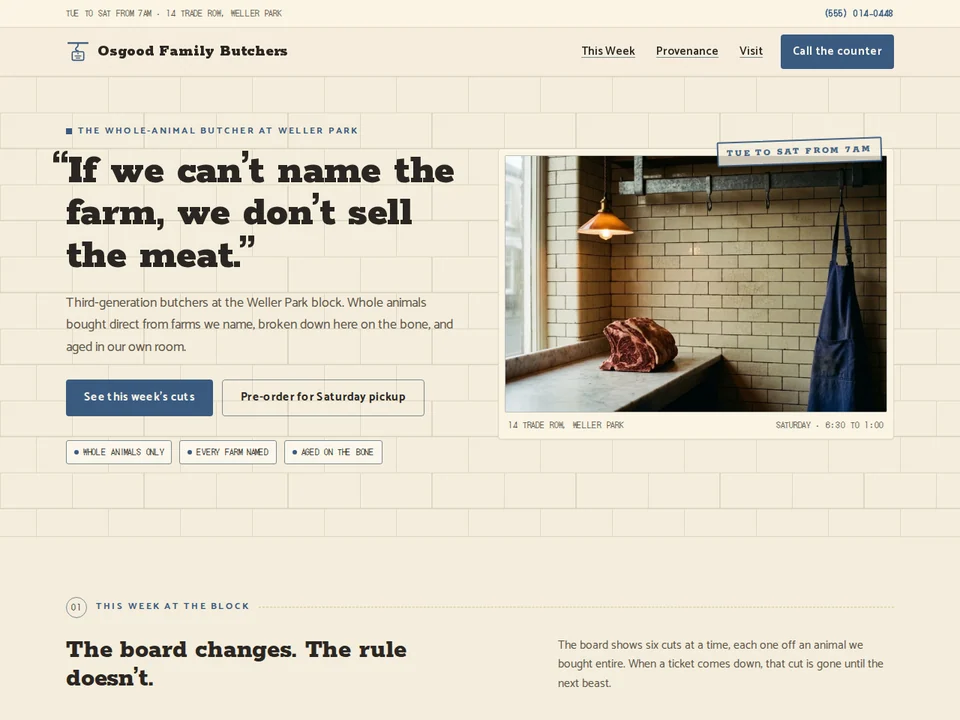
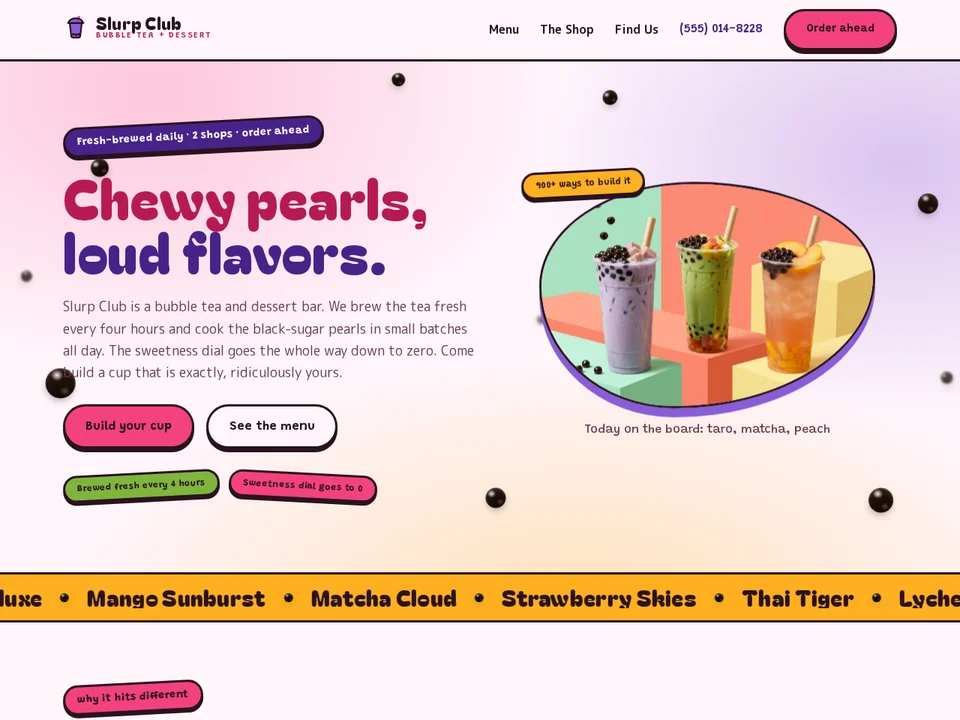
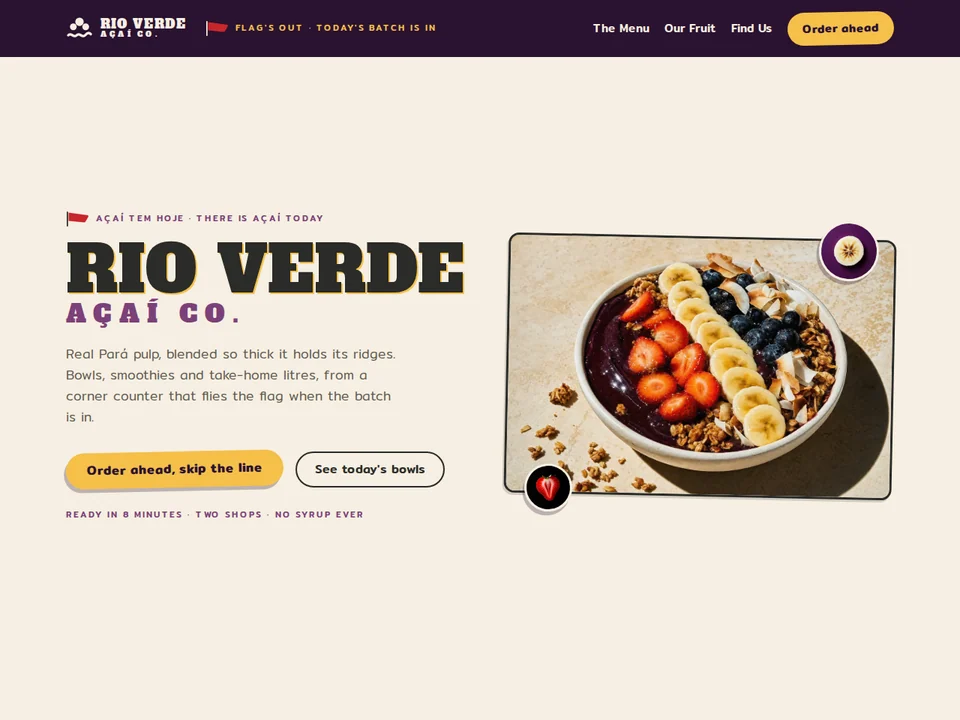
Want us to build Yours?
The kind of site people screenshot and send to their web guy. Tell us about the business, get an instant quote, and we build from your brief.