Websites for Trades.
A trades site has one job: turn someone standing in their kitchen with a problem into a booked callout. Not a brochure, not a portfolio. A quote request that takes under a minute.
What the site has to do
- Show the work, not stock photos Nobody hires a roofer off a smiling handshake picture. Real jobs, before and after, in the suburbs you actually cover.
- Make the quote request trivial A phone number and a short form above the fold. Every extra field is a job someone else gets.
- Say where you go Half the visitors are checking one thing: do you come out here. Answer it on the page, not in an email two days later.
- Load fast on a phone in a driveway Light pages served from the edge, so it opens on one bar of signal instead of spinning.
What should a roofer's website have on it?
A roofer's website should open with real jobs in the suburbs you actually cover, so someone standing in their kitchen can match the work to their own roof. The phone number belongs where a thumb finds it without hunting. The form underneath it asks for a name, a suburb and a line about the job, nothing more.
Underneath that, the licence number and the insurance cover belong next to the contact details, not tucked away on an about page nobody opens. Someone ringing round three roofers in one afternoon is weighing trust as much as price, and a licence number in plain sight settles half of that before the phone rings.
Before and after photos do more selling than a paragraph about workmanship, so give them proper room rather than a strip of thumbnails. A caption with the suburb and the job, a torn off roof on one street, a new one two doors down, tells a stranger more than any sentence about pride in the work.
Do I still need my own site if I already get work through hipages or Airtasker?
Yes, and for one plain reason: a lead platform charges for the introduction and keeps the customer's details for itself, so a job you win there is a job you might have to win again through someone else's system next time. Your own site is the one channel where a returning customer finds you directly, for nothing.
It also changes who you are competing against. On a platform, your quote sits next to four others within minutes of a job posting, judged on price before anyone has seen a photo of your work. On your own site, the visitor already searched your name, so you are the only quote in the room.
The fix is not choosing one over the other, most tradies run both for a while. It is making sure the enquiry goes somewhere you control, a short quote form of your own, so a customer who already used you once can come back to you directly the second time.
Does a trades website actually help with 'near me' searches?
Yes, but only if the suburbs are written in words on the page, not just shown as photos. Search engines, and the assistants people now ask instead, read text, so a page that says roofing in Frankston and Pakenham answers a near me search in a way a gallery of house photos never can.
The trick is being specific rather than broad. A page listing forty suburbs across three states reads as generic, while a page that only covers the handful you actually drive to reads as local. A real job photographed in each one is what backs that up.
None of this needs a separate page per suburb to work. A short, honest list of where you go, on the page a visitor already opened, does the job that used to need a directory listing and a fee attached to it.
Find that Perfect Template.
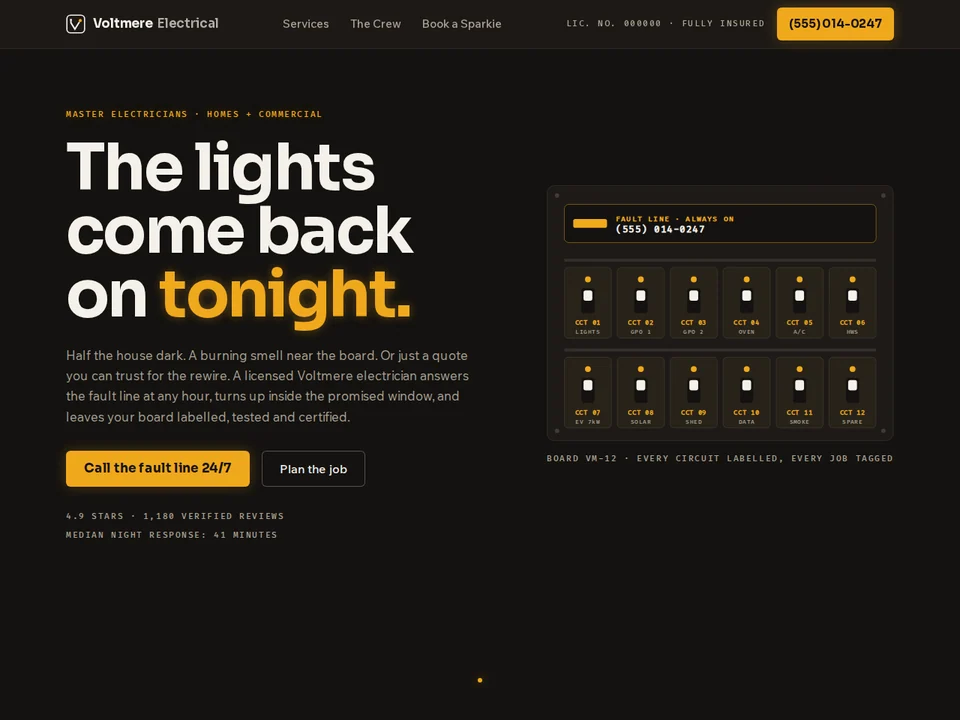
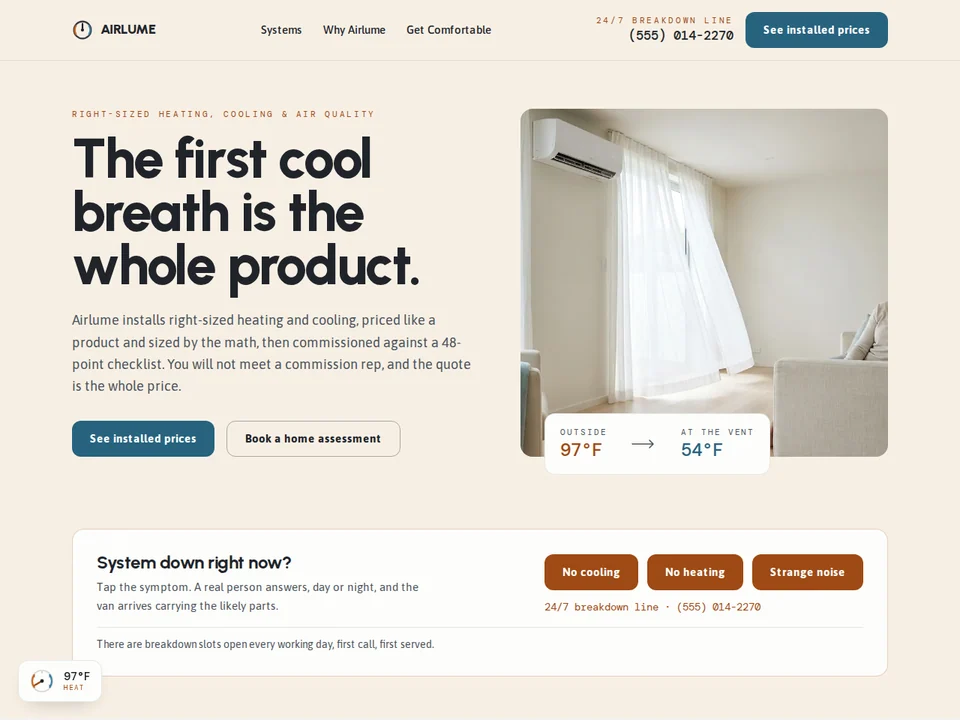
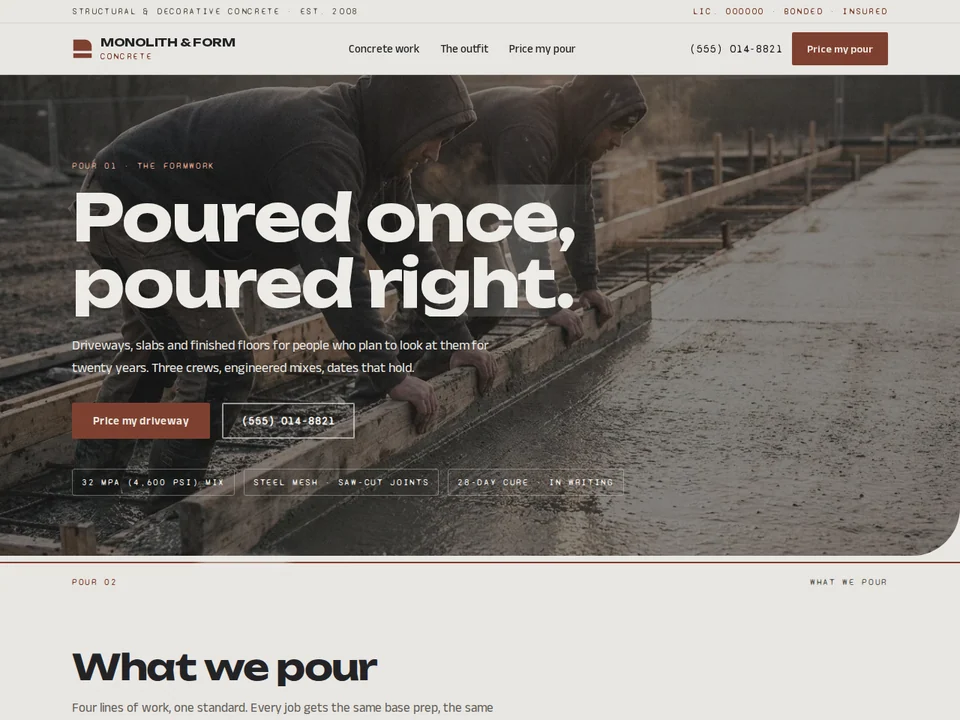
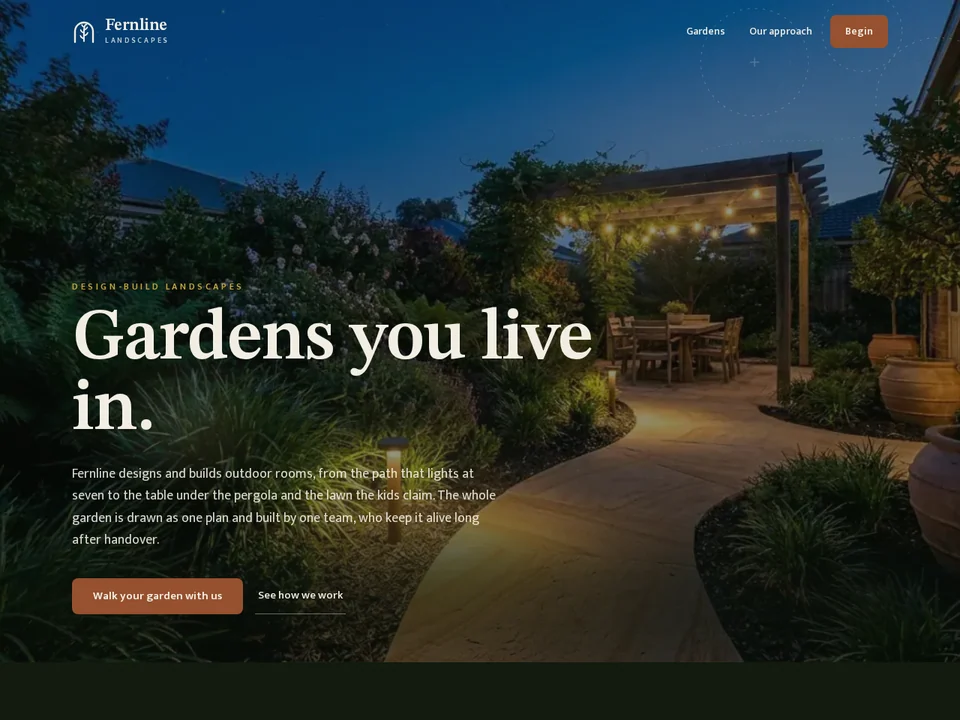
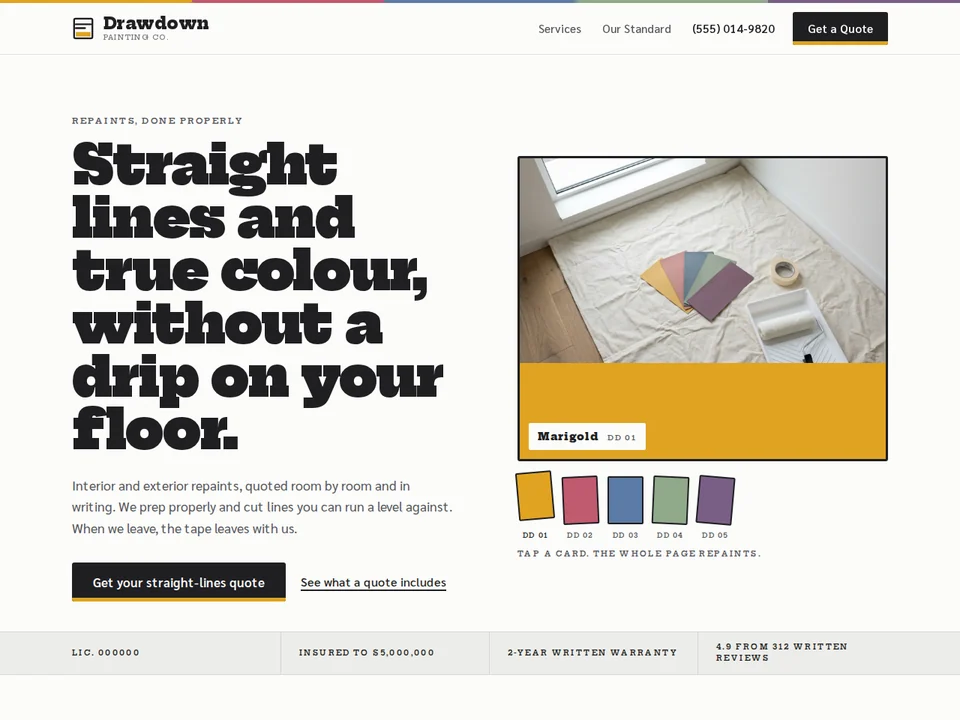
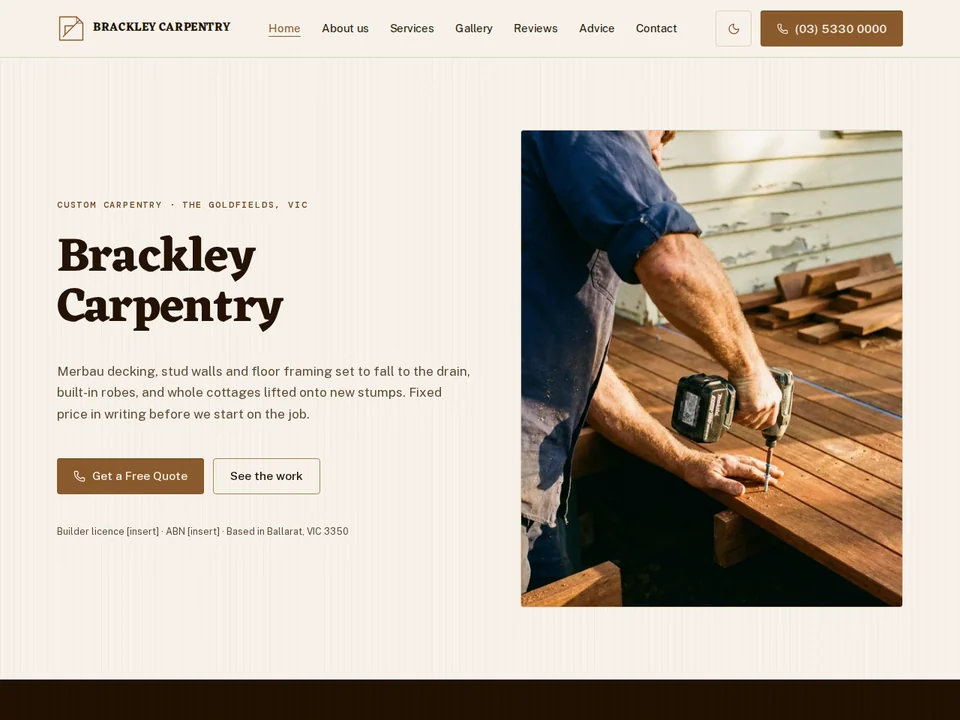
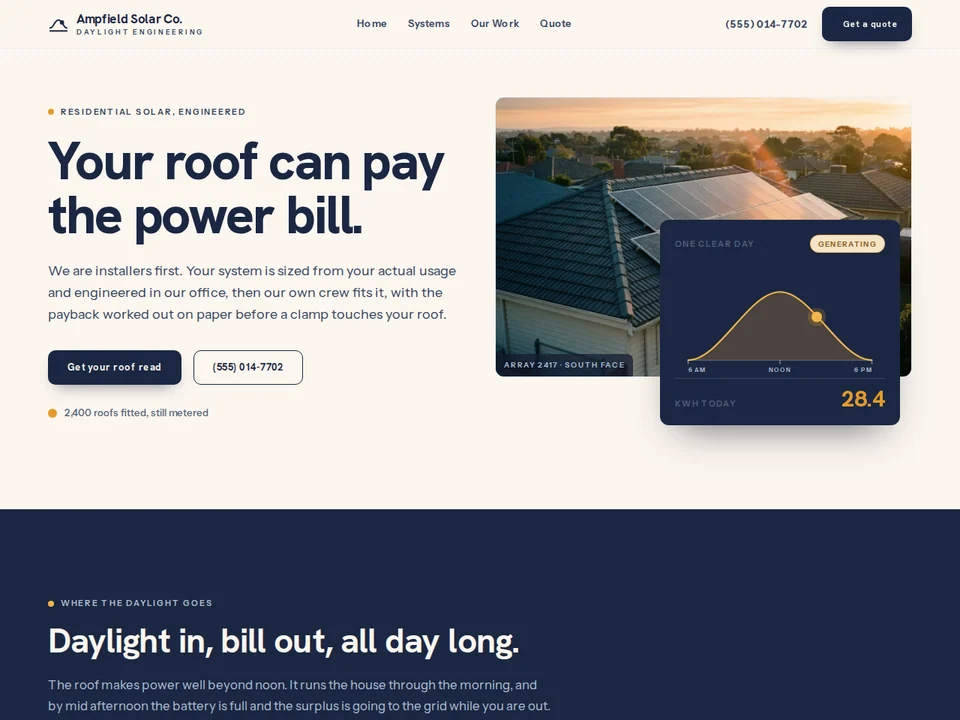
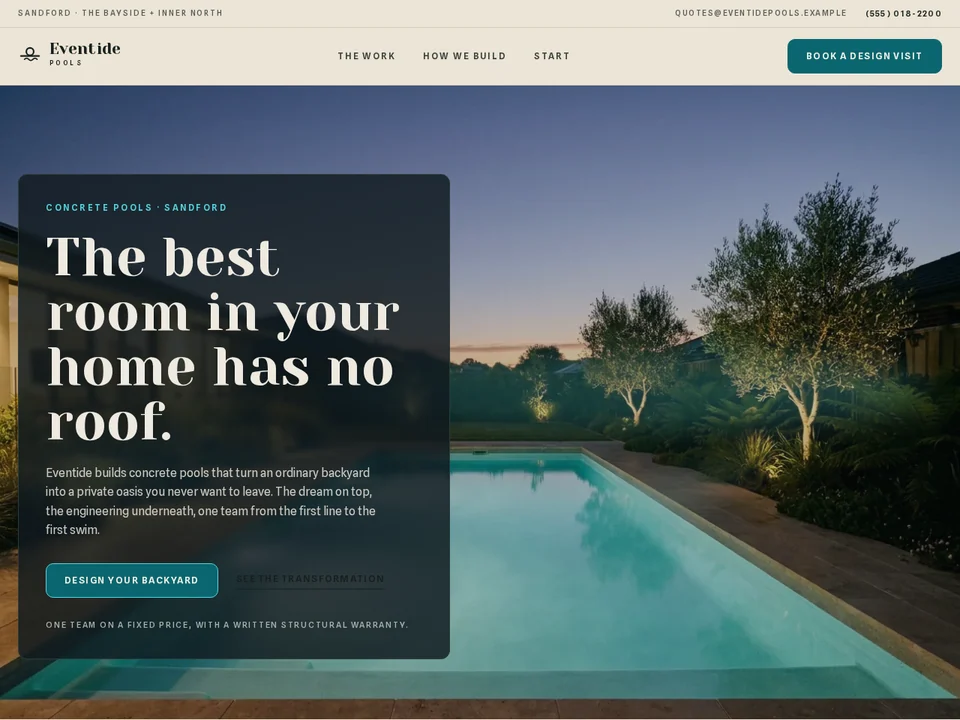
Want us to build Yours?
The kind of site people screenshot and send to their web guy. Tell us about the business, get an instant quote, and we build from your brief.