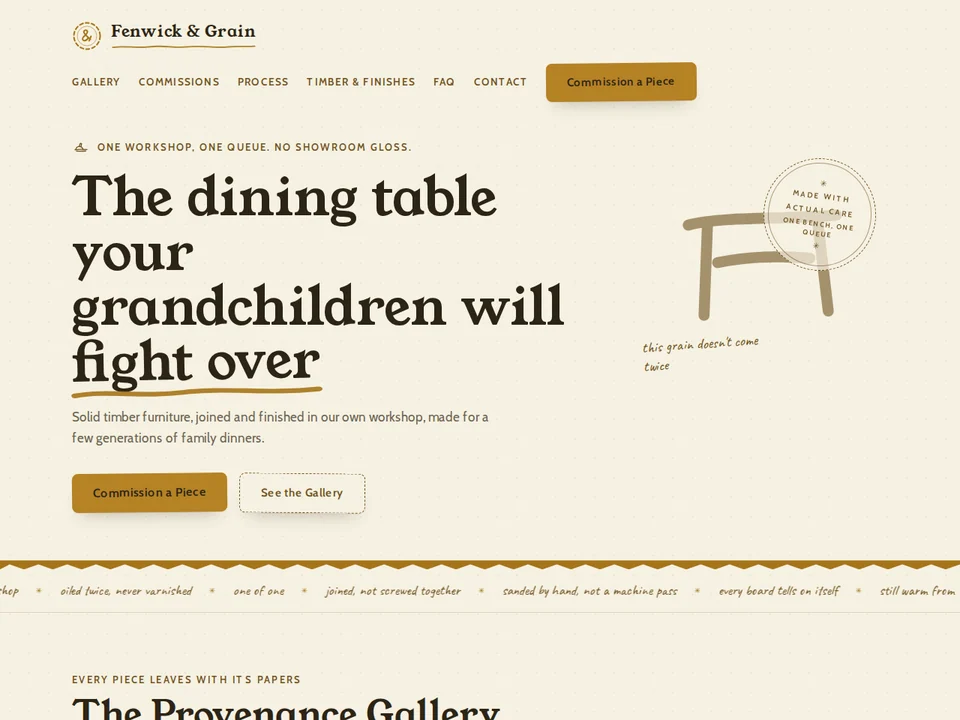
Websites for Designers.
You can design it. Building it, keeping it fast, and keeping it accessible is the part that eats the week. Start from something already built to that standard and spend your time on the design.
What the site has to do
- Real code, not an export Clean components you can read and change, not a builder's generated soup.
- The details already handled Type scale, focus states, reduced-motion, contrast. The work nobody thanks you for.
- Yours to take apart Full source. Rip out what you do not want.
- A security policy at the root Scripts and data stay on your own domain from the first visitor, with nothing to configure.
Can a designer take a noboringsites template apart and keep only pieces of it?
A designer can take a template apart entirely once it is bought, because the licence covers one live site rather than a fixed layout rendered exactly as delivered. Delete a section, rebuild a component, keep the type system and drop everything else that does not fit the brief. The file is yours to edit the same way any other code project is, with nothing to ask permission for.
The boundary that exists is the licence, not the design. One licence covers one live site, so one purchase cannot be split across two separate client projects even once most of the original design has been replaced.
Past that line, nothing is locked. There is no builder database holding the layout hostage and no watermark to strip, because there was never a platform account underneath it in the first place.
What does noboringsites already handle before a designer opens the file?
A noboringsites build starts at phone width and gets widened afterwards. Most layout breakage happens first at the narrow end, which is exactly what wastes a designer's hours fixing it after the fact. The desktop version grows from that already-working layout, rather than being squeezed down from one built the other way round.
Images are sized and lazy loaded before a designer ever opens the file, so a heavy gallery does not need re-optimising just to keep the page quick. The markup underneath is written by hand rather than exported from a page builder, which is what lets a designer read it and change it without guessing what a tool generated.
None of that removes the actual design decisions from a designer's plate. It removes the plumbing, so the hours go on the parts a client can actually see.
Does a designer need a developer on call to make changes after handover?
A designer does not need a developer standing by to make a small change after handover, because the site is plain files rather than a compiled application with a build step in front of it. Editing a heading or swapping an image is the same job it would be on any static site, and a colour token is no different.
Anything larger, a new page or a form with new fields, still benefits from a developer, but that developer can be anyone. Nothing about the file format or the hosting locks the work to noboringsites, since the design was handed over rather than kept inside a platform account.
That is the difference a designer notices most a year later, when the person asking for the next change is not the one who built the site in the first place. Whoever opens the file next inherits exactly the same access, not a smaller version of it.
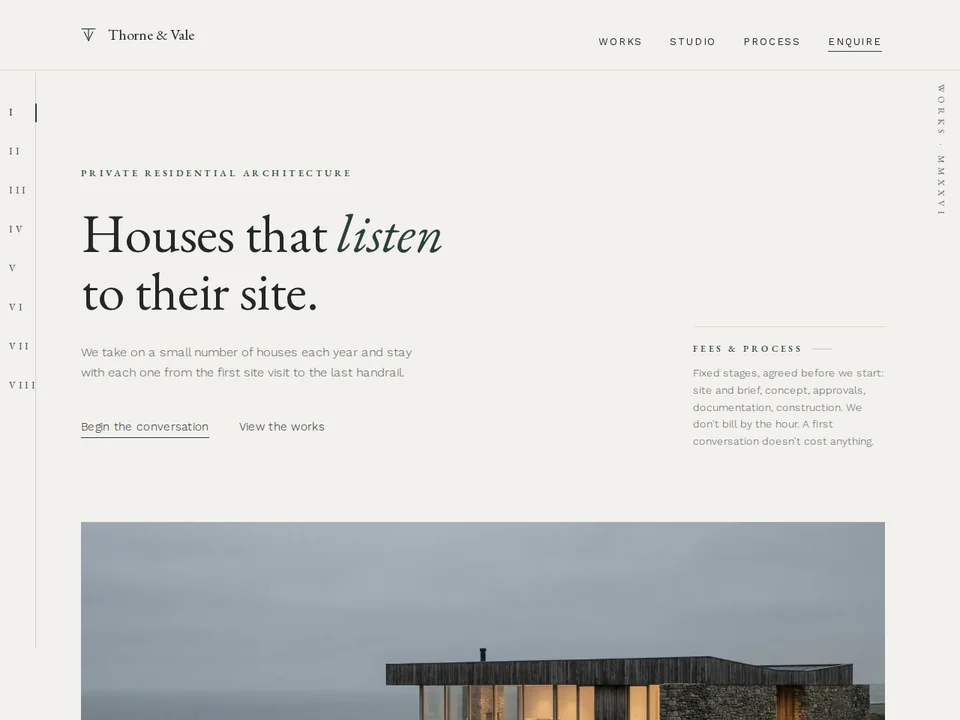
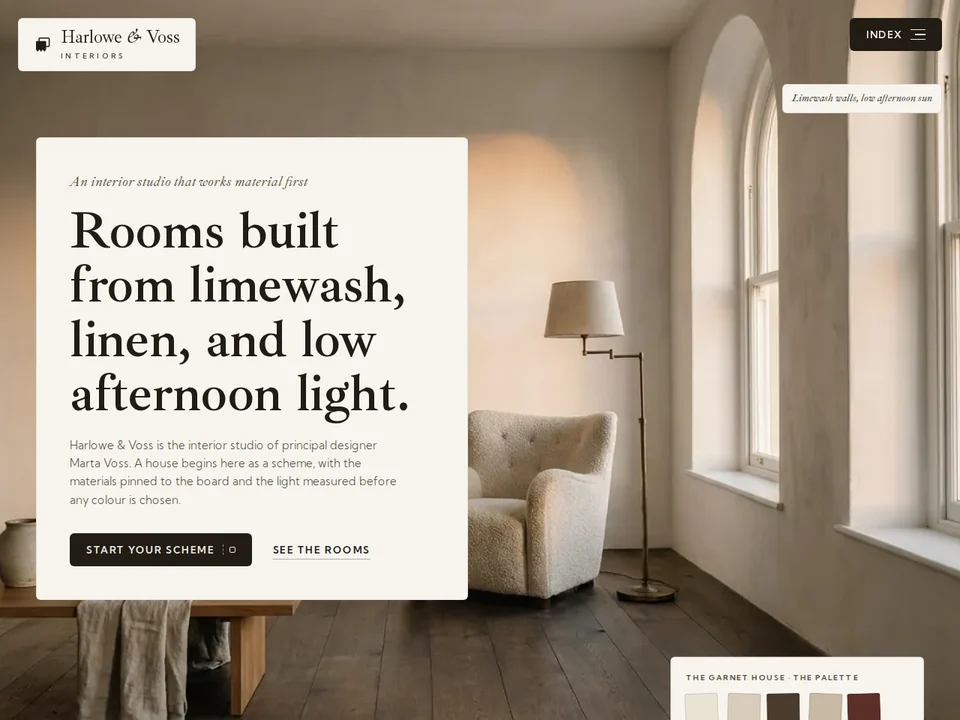
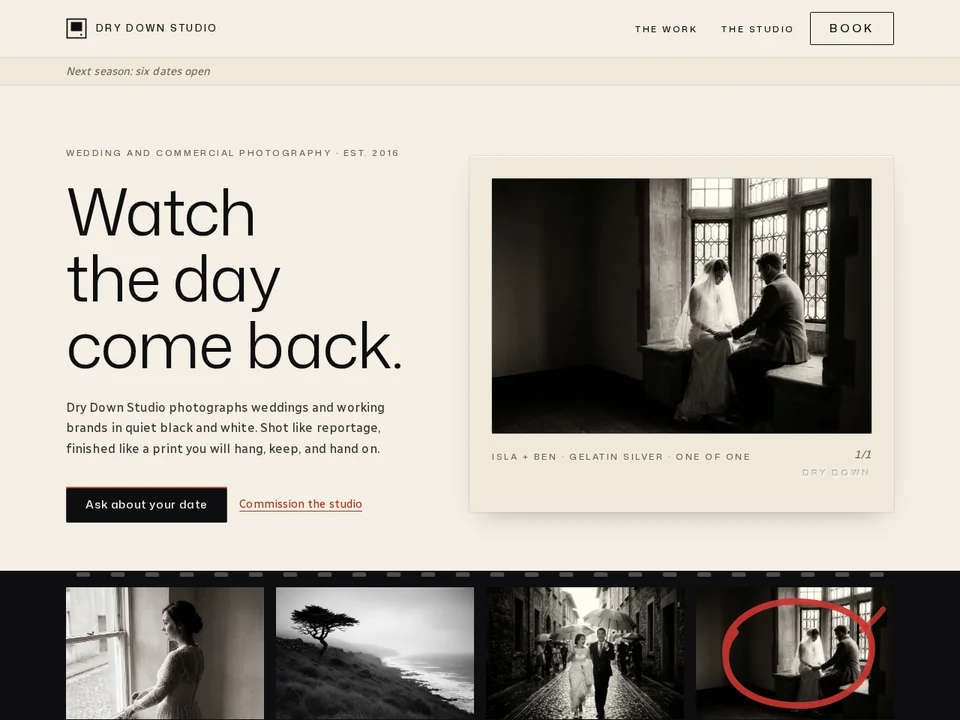
Find that Perfect Template.
Want us to build Yours?
The kind of site people screenshot and send to their web guy. Tell us about the business, get an instant quote, and we build from your brief.